With the weather warming up, now is the perfect time to enjoy some time in your yard. Whether you plan on gardening or lounging by the pool, don’t let pests intrude on your backyard relaxation time. Knowing where pests hide can help you prevent an infestation or, at the very least, identify one. Read on to learn about the top five places pests hide in people’s yards.
Outdoor Structures
Pests prefer quiet, secluded areas to take up shelter. The structures around your yard offer the ideal environment. Finding pests like rodents, carpenter ants, termites and even wildlife underneath your deck or in abandoned storage sheds is an all too common problem. Since these spaces are often dark and undisturbed, pests are attracted to them as they look for food and nesting sites. Keeping decks and sheds in good condition, ensuring there’s no wood rotting or debris piling up, is a good way to prevent pests from hiding in these areas.
Forgotten Items
Some people’s yards become a graveyard of old, left-behind items. Unfortunately, this means they also become havens for pests. Forgotten junk like buckets, unused flower pots and neglected furniture are the perfect hiding spots for pests, especially since they often prefer areas that are left undisturbed. The more clutter you have piled up in your yard or patio, the more places for pests to hide. Keep your outdoor area clear of clutter and old, unused items. If your yard is overwhelmed with junk, it may be worth doing a full clear-out.
Wood Piles and Mulch Beds
Wood piles are a magnet for termites, carpenter ants, rodents and a variety of other pests. Especially if the wood piles are left sitting out for a long time, the wood begins to decay and trap moisture, creating the perfect environment for insects and small animals to nest. Mulch beds pose a similar problem. They retain moisture very well and help maintain rich soil underneath, making them ideal hiding spots for insects seeking food and protection from the elements.
Overgrown Vegetation
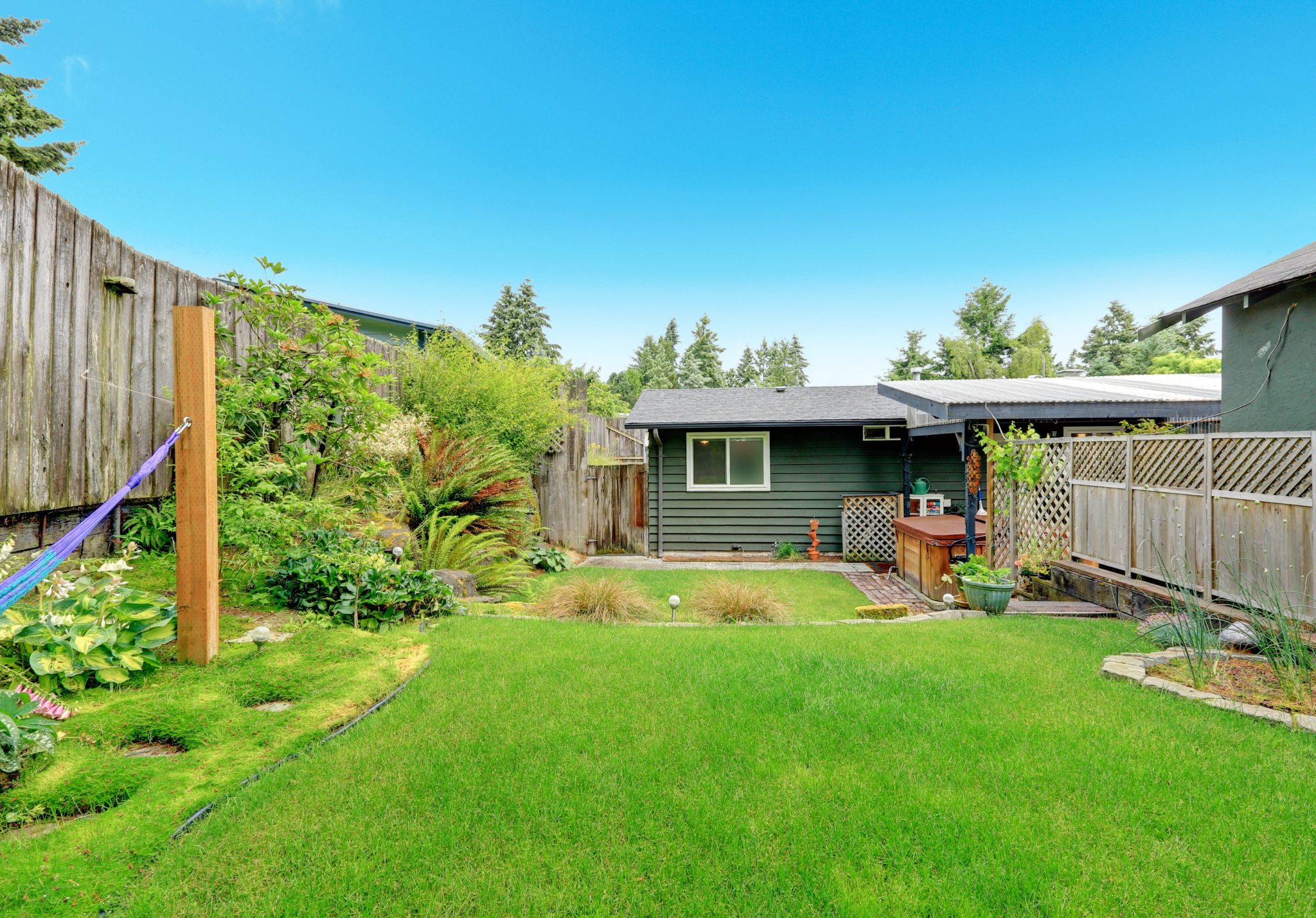
Tall grass, dense shrubs and untrimmed bushes can quickly become a hotspot for pests. These overgrown areas provide excellent cover for small insects like ticks, fleas and mosquitoes. They can even become hiding spots for rodents and other wildlife. The thicker the vegetation, the more difficult it is to spot pests nesting there. This can lead to infestations going unnoticed. Regularly mow your lawn and trim back hedges to keep pests at bay.
Lawn Debris
Often, when we think of debris, we think about clutter and junk. But leaves, twigs and lawn clippings are all types of debris that often get overlooked. Piles of lawn debris offer shelter and food sources for many insect species, like ants, ticks, fleas, chiggers, clover mites and more. These insects are also sources of food for other pests like moles, and the presence of lawn debris can lead to moist soil, perfect for tunneling. To reduce the chance of these pests settling in, rake up and dispose of leaves, twigs and other debris regularly.
Being aware of the common outdoor pest hiding spots is the first step in protecting your home against an infestation. If you notice pests in any of these areas around your yard, contact the Omaha pest control experts at Pro-Staff for help! Click here for a free quote.