Although bats are usually considered a winter pest, they can still present problems for homeowners during the summer. They’re most active during the hotter months, hunting for food and looking for shelter. Here’s a guide to help you understand bat behavior in summer and what you can do if you discover these pests in your home.
Searching for Food
Summer days bring sunny rays—and plenty of insects! All the insects that become a problem for you during the summer become food for bats. Many insects, like moths, mosquitoes, cicadas and flies, are most active in summer as they breed and search for food, and bats take full advantage. This means that they’re all on the menu for bats during this season. However, you likely won’t see bats flying around during the day, since these creatures are nocturnal and do most of their hunting at night.
Raising Their Young
Summer is maternity season for bats. They spend much of spring preparing for this time of year, when they will give birth and raise their pups. Pups are born blind, making them fully reliant on their mothers for food and protection. So, mothers spend a significant amount of time caring for their pups, as well as teaching them how to fly and hunt. Luckily, mother bats are rarely alone; they usually establish maternity roosts, full of other mothers and pups. In these roosts, mothers give birth and raise their pups together.
Roosting
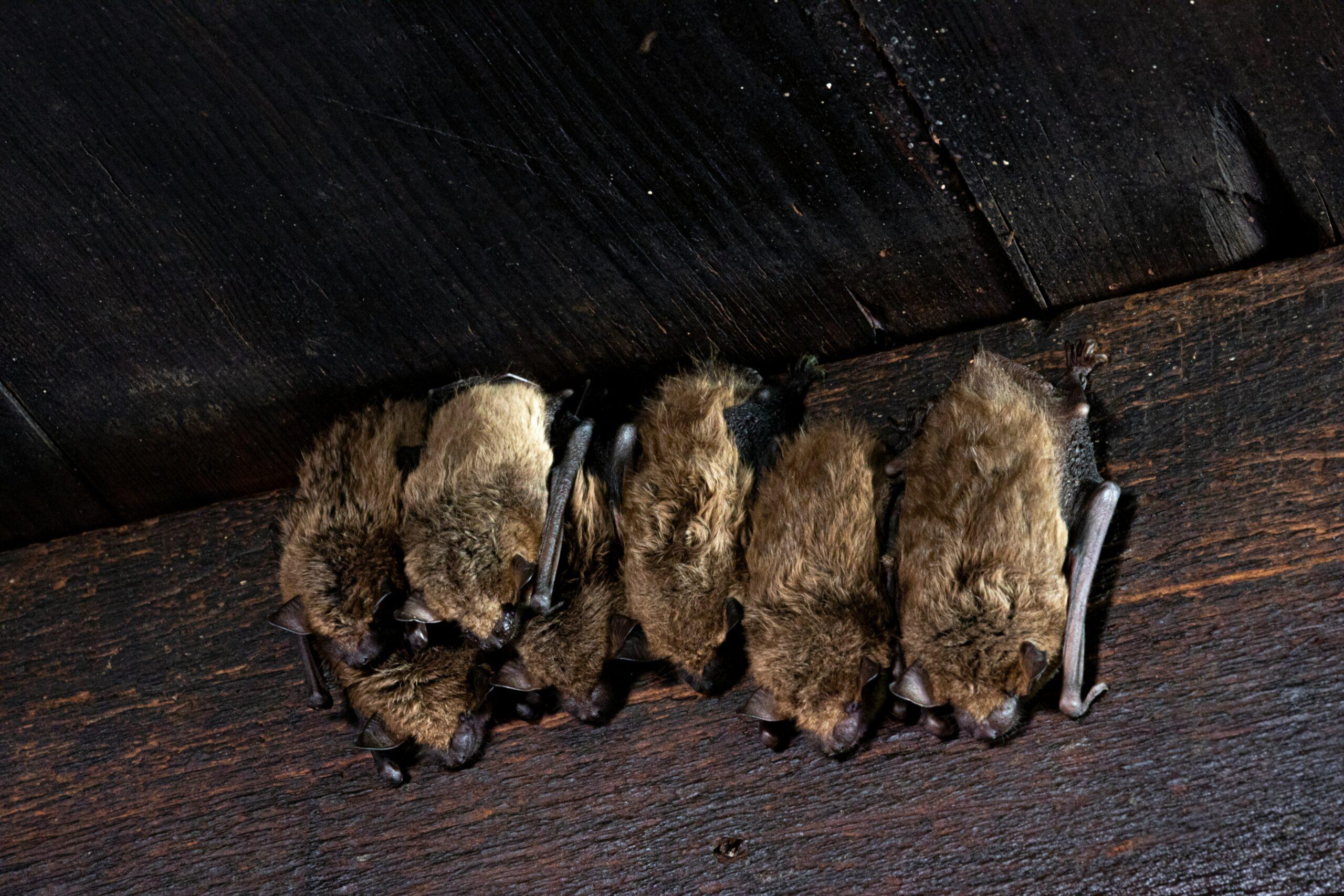
Since much of their focus during summer is on raising their pups, bats spend a lot of time roosting in sheltered areas. This often ends up being in the quiet, undisturbed spaces in people’s homes, like attics, chimneys and roofs. They establish roosts in these places to keep their pups safe. Although they’re not there with the intent of causing problems, they present many challenges for homeowners. From posing health risks to making unsettling noises, bats can be extremely unpleasant and unsafe to have in your home.
Mating
Toward the end of the summer and into the fall is when mating season begins for bats. As the warmer season comes to a close, maternity roosts disband and go their separate ways. Some bats move directly into searching for a place to hibernate for the winter, while others begin mating. Male bats use vocalization, scent and physical displays to attract females. After mating season ends, bats begin looking for shelter to roost for the winter.
What to Do About Bats in Your Home
If you discover bats in your home this summer, resist the urge to remove them yourself. First, bats can carry diseases, like rabies, so it’s unsafe to attempt to handle them. Aside from rabies, their droppings, called guano, can also carry the fungus that causes the disease histoplasmosis. This makes it incredibly important to avoid going near them or their roosts.
Despite the health risks they pose, many bat species are protected under federal and state law. They play an important role in the ecosystem, but, unfortunately, many are endangered or threatened. Most bat species only give birth to and raise one pup at a time, meaning they reproduce at a much slower rate than other mammals. This makes them especially vulnerable to population threats. There are specific laws protecting bats and their habitats, as well as dictating how removal should be handled.
If you run into a bat problem in your home, the Omaha bat removal experts at Pro-Staff are here to help! We have the knowledge and tools to safely and legally remove bats from your home. We’ll also use various exclusion techniques to prevent them from returning. Call us at (402) 819-7378 or contact us online for a free inspection.