Marking the beginning of the holidays and the cooler weather, fall is many people’s favorite season. While it should be a time to cozy up by the fire and enjoy the changing leaves, it usually ends up being a time when many homeowners deal with an influx of pests. As pests are searching for shelter to survive the winter, homeowners should be making sure their home isn’t the one they pick. Read on for a guide to protecting your home against the Midwest’s most infamous fall pests.
Fall Pests to Watch Out For
As temperatures drop, certain pests become much more noticeable in Midwest homes. These unwelcome guests are not just looking for warmth and shelter, but also for food to make it through the colder months. Some of the most common culprits include:
- Bats: Often roosting in attics or chimneys, bats head indoors to escape the cold and when their summer food sources become scarce.
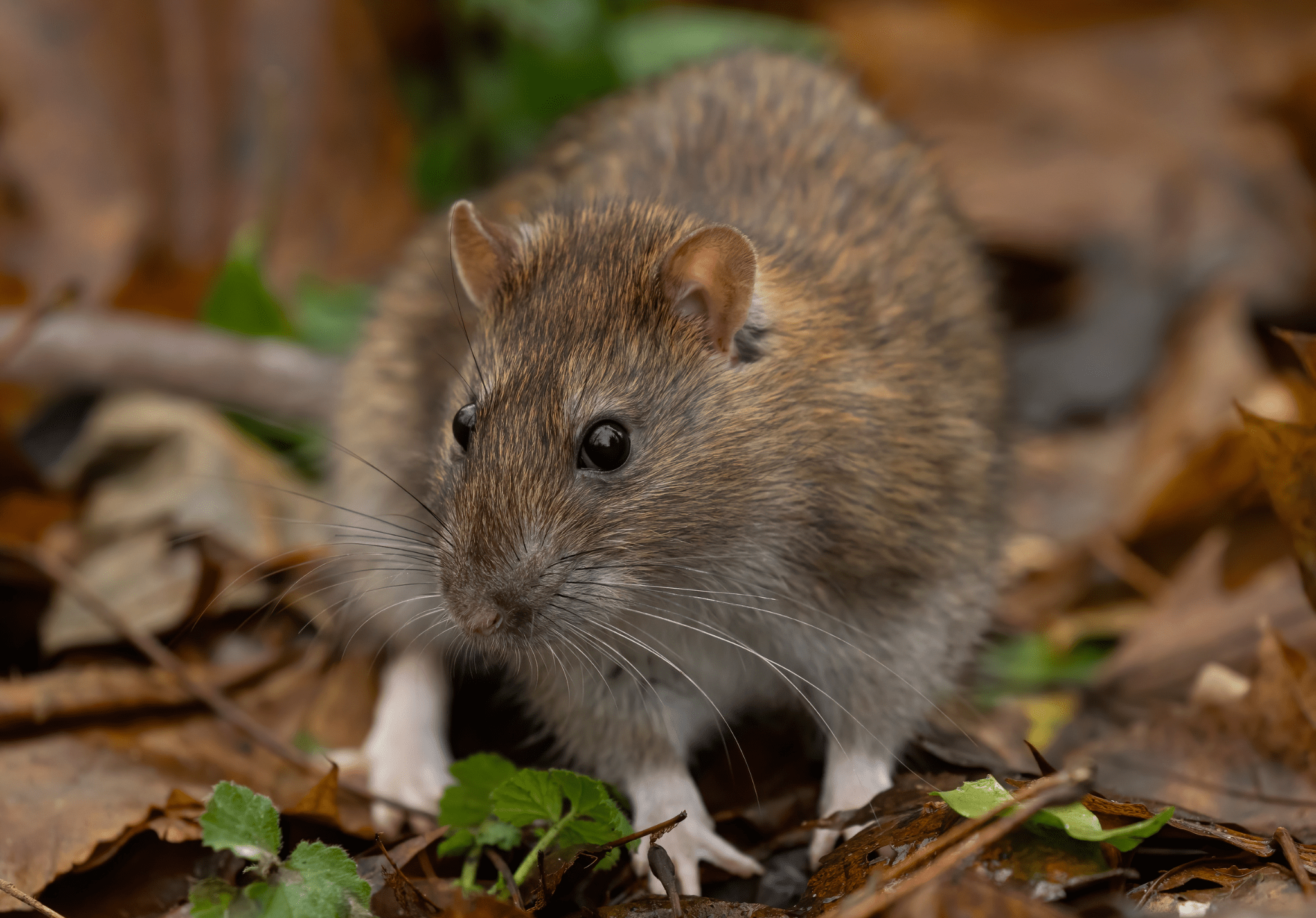
- Rodents: Mice and rats squeeze their way in through small cracks and gaps, drawn by the warmth and food sources.
- Boxelder bugs: These insects gather in large numbers on sunny walls before slipping into homes to overwinter in wall voids.
- Asian lady beetles: Similar to boxelder bugs, Asian lady beetles infest in large groups, hanging out on siding before entering through small cracks, creating nuisance infestations indoors.
- Stink bugs: Known for their unpleasant odor, stink bugs sneak indoors to enter a state of diapause, or inactivity, until spring emerges.
Tips for Protecting Your Home
Knowing which fall pests to look out for is a good first step. The next step is to make sure your home is protected from becoming their winter hideaway. Here are a few things you can do to prevent pest infestations this fall:
Seal Entry Points
The most important thing to do when trying to deter pests during any season is to prevent them from entering in the first place. Like us, pests need a way to get into the home. For pests, it’s not usually the front door—small cracks, gaps and crevices around your home provide the perfect private entrance. These entry points are usually found near your home’s foundation, siding, windows, pipes, and vents. Seal possible entry points with caulk or weather stripping, and use mesh to cover vents.
Tidy the Yard
We often think about the ways to make our homes less appealing to pests while neglecting to consider our yards. During the fall, piles of leaves can harbor numerous insects, like spiders and ticks. That’s why it’s important to keep your yard free of debris and overgrown vegetation. Trim bushes back away from your house and make sure no branches are hanging over your roof, as these act as bridges for pests to access your home. Store firewood off the ground, a few feet away from your home, to deter pests from hiding out.
Control Moisture in Your Home
Some fall pests, like cockroaches, are moisture-loving by nature. For these pests, home is where the humidity is. While these pests are searching for a warm place to take up shelter during the colder months, your home will earn bonus points if there are high moisture levels. To avoid this, fix leaking pipes, clean clogged drains and use dehumidifiers in damp rooms, like basements and bathrooms.
Eliminate Food Sources
In the fall, pests’ primary goal is to escape the cold, but it’s also to be able to eat. In other words, they spend the season looking for shelter and food sources. If your home offers both, chances are that’s where they will choose to stay for the winter. Common food sources for fall pests include food crumbs or remnants, pet food, and garbage or other debris.
Some pests eat other pests, so if your home is attracting one type of pest, you may be indirectly attracting another. Avoid attracting both primary and secondary pests by storing leftovers in airtight containers, cleaning up spills and crumbs as soon as they happen, and keeping trash secured in bins with tight-fitting lids.
Don’t Provide Any Hiding Spots
Most pests choose to hide out in hidden, undisturbed corners of the home. This often ends up being in cluttered basements, attics, garages, cabinets, and closets. To avoid giving pests hiding places, keep these areas tidy and free of clutter. When storing items, opt for airtight plastic storage bins over cardboard boxes, as some pests are attracted to cardboard either for nesting material or as a food source.
If fall pests have become a problem despite your best efforts, Pro-Staff, your expert Des Moines pest control home team, has you covered! Backed by over 20 years of industry experience, our technicians have the tools and expertise to deal with any pest problem you’re facing. Call us at (515) 279-7378 or contact us online for a free inspection.