Now that we’re well into fall, many people expect pest activity to die down due to the colder weather. But when it comes to bats, this isn’t always the case. In fact, fall is when bats are actively preparing for the winter. While you may see their activity decrease later in the season as the temperatures drop, you should also prepare for their early-season behavior. Here’s what homeowners need to know about bats in the fall:
Maternity season ends.
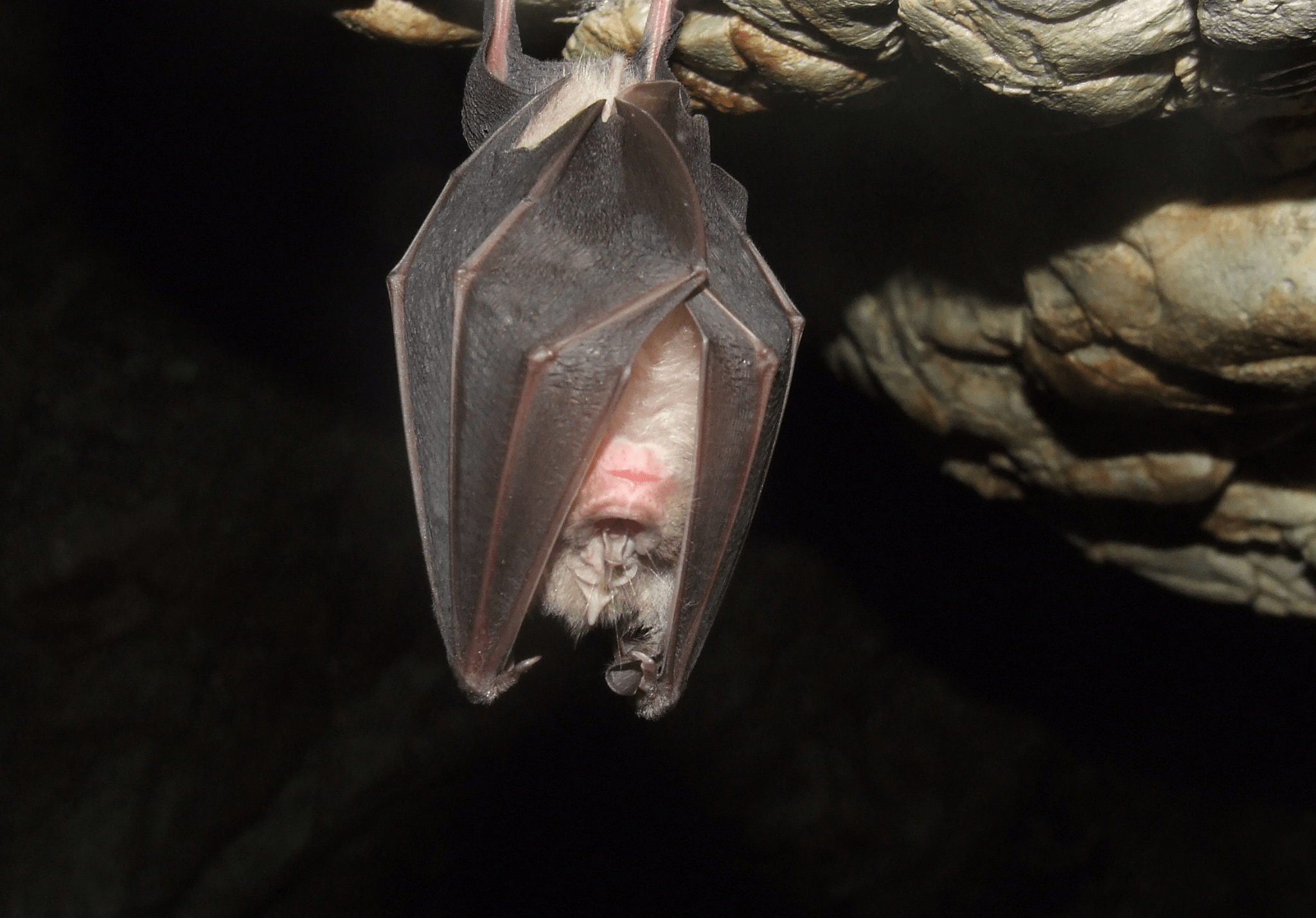
Bats spend the spring preparing for maternity season, which is in the summer. Once maternity season is over, usually toward the middle of August or the beginning of fall, bat pups will leave their mothers to hunt and seek shelter on their own. Bats spend much of the fall hunting and building up fat stores so they can hibernate through the winter.
Bats are looking for places to roost.
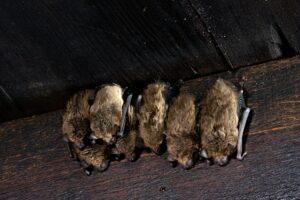
Beyond the increased hunting activity, bats are also in search of a warm, safe place to take up shelter to survive the winter. Depending on where you live, you may see an increase in bats flying around more often as they hunt and search for roosting sites. However, this activity tends to die down as the weather gets colder, once bats have enough fat stored up and a safe place to hibernate.
What does this mean for homeowners?
Fall is usually the time when it’s recommended that homeowners bat-proof their homes. While bats are commonly associated with caves, they’re actually a popular problem for people to find in their attics. This is because attics provide the perfect place for bats to roost for the winter since they’re warm, sheltered and usually unbothered. They’re especially attractive to bats since attics lack the natural predators found in caves—one less thing for bats to worry about.
Beyond bat-proofing, homeowners should also be aware of the risks of a bat infestation. Not only can they harm your family’s health due to the diseases they carry, but they can also cause property damage and attract secondary pests. On top of that, bats are a protected species, meaning there are specific laws and regulations in place when it comes to removing them. This makes professional bat removal essential.
How do you know if you have bats in your home?
Since bats are nocturnal creatures that enter people’s homes through small openings, they aren’t always easy to detect. However, there are a few telltale signs that you may be dealing with a bat problem:
- Unsettling noises, like scratching or thumping
- Grease stains on the walls near openings
- Droppings (guano)
- Unpleasant odors
- Bats flying around your home at dusk or dawn
What should you do if you’ve discovered bats in your home?
There are no home remedies for dealing with a bat infestation. Because of their potential to carry diseases, it’s never a good idea to touch or try to handle them. The best thing you can do is wait for them to leave on their own or reach out to a professional bat removal company for help.
Even after you’ve done everything you can do to bat-proof your home, there’s still a chance of bats finding their way in. If this happens, contact the Omaha bat removal experts at Pro-Staff for help! We know the federal and state regulations surrounding bat removal, and we have the tools needed for humane removal. Call us at (402) 819-7378 today!