
It’s still fall, but the winter weather is approaching. The best way to protect your home from being invaded by overwintering pests is to know what to look out for. As the temperature outside drops, these pests sneak into people’s homes seeking warmth, food and protection. Some are simply a nuisance, while others can present risks to your family and your home. Read on for a guide to common overwintering pests in the Midwest.
Boxelder Bugs
Boxelder bugs are small, flat insects that are black in color with reddish-orange markings. These insects gather in large numbers on sunny walls during the colder months in order to keep warm. The problem occurs when they slip inside people’s homes through cracks and windows. While they don’t cause structural damage or present health risks, they are a nuisance and can leave orange stains on walls and windows. Seal entry points to prevent an infestation. If you see boxelder bugs inside your home, suck them up with the vacuum instead of squishing them to avoid staining your belongings.
Asian Lady Beetles
Many people mistake Asian lady beetles for ladybugs, but these are not the same insect. Ladybugs are usually red with black spots and tend to stay outdoors. Asian lady beetles, on the other hand, are an invasive species that can be yellow, orange or red with black spots. They infest people’s homes in large numbers and can release a foul-smelling liquid when disturbed. This liquid can cause allergic reactions in some, as well as stain furniture and walls.
The main way to tell the difference between ladybugs and Asian lady beetles is by looking at their heads. Asian lady beetles have a black marking that resembles an “M” or a “W.” Preventing and eliminating these beetles is the same as boxelder bugs: seal entry points and vacuum instead of crushing.
Stink Bugs
Brown marmorated stink bugs are small brown insects, about the size of a dime, that are invasive in North America. Their shape resembles that of a mini-shield. These insects are well-known for the odor they release when threatened or crushed. These bad-smelling secretions are chemicals used as a defense mechanism against predators.
Stink bugs release a different pheromone to signal other stink bugs to gather. They then enter people’s homes through small cracks and gaps. Since they’re overwintering pests, people often notice a problem during the colder months as they gather in large numbers inside attics or on sunny walls. Definitely don’t crush stink bugs, because the odor will permeate throughout your home. Instead, suck them up with the vacuum or contact a professional pest control team for help.
Cluster Flies
People often mistake cluster flies for house flies. While they do have a somewhat similar appearance, cluster flies are larger and darker in color with goldish-yellow hairs on their bodies. Cluster flies fly more sluggishly than house flies, whose flight is rather quick and erratic. As the name suggests, these flies gather in clusters, usually in warm areas, like sunny patches on people’s porches. As the weather cools, they find their way inside, hiding in attics and wall voids.
Unlike house flies, cluster flies aren’t known to carry diseases or pose any real risk to people’s health. They don’t swarm or lay eggs in garbage, either. Instead, they feed on earthworms and lay eggs in the soil. The problem comes when they overwinter in people’s homes. The buzzing sounds and musty odors can be a nuisance. Seal entry points and install screens over windows to prevent these insects from finding their way inside your home.
Mice and Rats
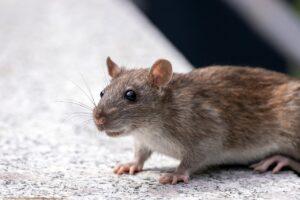
Rodents can become a huge problem during the colder months. While mice and rats have their differences, they’re similar in their appearance and behavior. Both are small and can range in color from shades of gray to shades of brown. Like other overwintering pests, rodents seek shelter and food to survive the winter. Rodents are social creatures, so they tend to invade in numbers. They also reproduce quickly, leading to fast-growing infestations.
Unlike the nuisance pests on this list, rodents pose risks to both your health and your home. They carry diseases and gnaw on structural components, causing significant damage. Mice and rats are notoriously difficult to get rid of, so it’s best to do what you can to prevent them. This includes sealing holes and gaps in your home’s exterior, storing food in airtight containers, and keeping your home free of clutter where they can hide. As soon as you see signs of a rodent infestation, seek professional rodent control.
If you spot any of these Midwest overwintering pests in your home, don’t hesitate to reach out to the Omaha pest control pros at Pro-Staff for help! Contact us online or call us at (402) 819-7378.