Rats are one of the most frustrating pests to deal with due to their being notoriously hard to get rid of and the damage they cause to people’s homes. In the Midwest, two species cause most of the problems for homeowners: Norway rats and roof rats. While they’re often lumped together, these rodents have key differences in appearance and behavior that affect how they show up and how they’re removed. Understanding these differences can help you spot issues early and take the right steps to protect your home. Read on to learn about the differences between these two rat species.
Norway Rats and Their Behavior
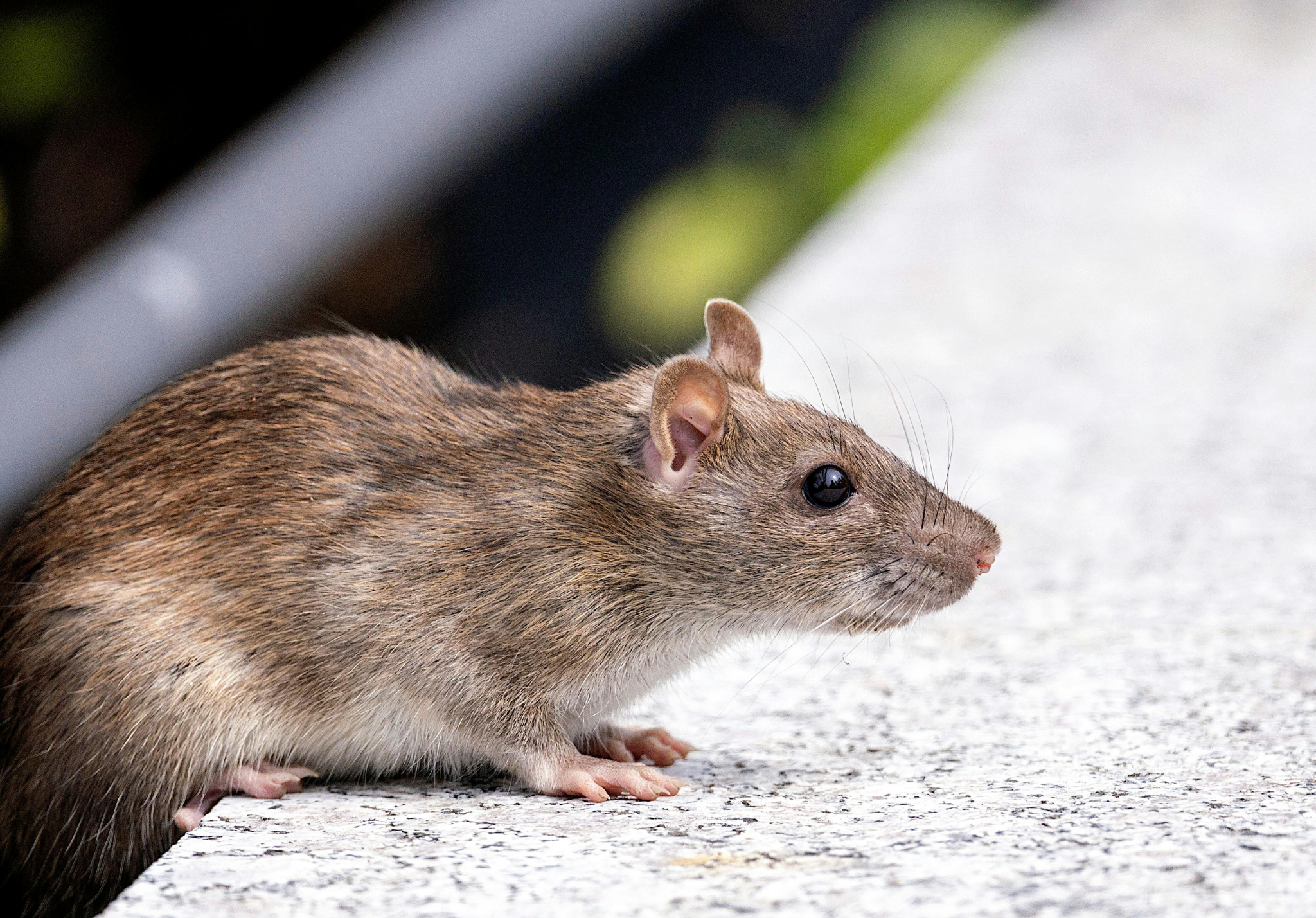
Norway rats, also called brown rats, are the larger of the two species, with stocky bodies, small ears and more blunt noses. They can weigh anywhere from seven to eighteen ounces and are brown in color with grey bellies. When you think of a rat, Norway rats are probably what come to mind. These rodents are omnivorous, eating grains, meats, garbage, pet food—anything they can access.
Norway rats prefer to stay low to the ground and are known for burrowing. These rats are often found around foundations, under decks, and near sheds or garbage cans. Indoors, they tend to hang out in basements, crawlspaces and ground-floor storage areas. Their digging behavior can lead to structural issues if an infestation goes unchecked.
Roof Rats and Their Behavior
Roof rats are slimmer and more agile. They’re excellent climbers with longer tails, larger ears and more pointed noses. They generally weigh between five and nine ounces, making them significantly smaller than Norway rats. Roof rats can be brown, grey or black in color. These rats primarily eat plants, fruit, nuts and seeds, but they will eat human food and pet food if available.
Roof rats prefer elevated spaces, often nesting in attics, rooflines and trees. Because they have stellar climbing skills, they often enter homes from branches, utility lines or small gaps in roofs.
The Key Differences Between the Two
While both types of rats can cause similar problems in your home, like damage to your belongings and health risks to your family, their behavior determines where you’re likely to spot each species. Norway rats stay low, digging burrows in the ground, while roof rats stay high up, moving through attics and wall voids.
Their appearance also differs. Norway rats are heavier and rounder, while roof rats are leaner with longer tails. Having an idea of which species you’re dealing with can inform the decisions you make about treatment and preventing future infestations.
Problems They Cause in People’s Homes
Both Norway rats and roof rats can contaminate food, damage insulation and structural components, chew wiring, and spread harmful bacteria through their droppings and urine. Rats’ teeth never stop growing—so rats never stop gnawing. Their incessant chewing can lead to costly home repairs and even fire hazards if they reach electrical systems.
Both rat species have rapid reproduction rates, making the risk of a growing infestation in a short amount of time high. The key to protecting your home is early action and prevention.
When to Call the Pros
While there are things you can do to prevent a rodent infestation, like limit food sources and seal entry points, getting rid of one that’s already established is very difficult without professional intervention. Trained technicians have the knowledge and tools to identify which rat species is present, locate nests and remove the infestation. If you spot signs of rodent activity or hear unsettling noises in the walls or attic, it’s time to call the pros for help.
Seeing signs of Norway rats or roof rats in your home? Call Pro-Staff—the rodent control experts in Omaha—at (402) 819-7378 for help!
