Many homeowners only think about pest control after a problem appears. But preventing infestations is just as important as dealing with active ones. Many infestations begin because small details are overlooked, often without homeowners even realizing it. By addressing them, you can reduce the chances of pests invading. Here are some pest prevention steps that homeowners often miss:
Sealing Entry Points
In order for pests to infest your home, they first need a way inside. Tiny cracks, gaps and openings around siding, foundations, windows, doors and vents provide easy access. Ensuring entry points are properly sealed, screens are intact and weatherstripping is in good condition is a critical step that’s often overlooked. Even the smallest of openings can invite unwanted guests, making closing them a simple but effective defense.
Cleaning Up Their Home’s Exterior
Overgrown vegetation, leaf piles, stacked firewood and other outdoor debris create the perfect shelter for pests and make it easier for them to access your home. Branches and shrubs act as bridges, allowing pests to reach entry points more easily. Keeping a well-maintained lawn is an essential part of pest-proofing your home. This means keeping branches and shrubs trimmed back, storing firewood off the ground and away from your home, and clearing your lawn of leaf piles and other debris.
Keeping Storage Areas Free of Clutter
Pests love dark, undisturbed corners of the home, which makes storage spaces prime real estate. This includes garages, attics, basements and closets. These areas become cluttered over time, providing even more hiding places and nesting materials for pests. Keeping these areas organized and free of clutter can go a long way in terms of prevention. When possible, opt for plastic storage bins over cardboard boxes, as cardboard is a major attractant for certain pests, like cockroaches and silverfish.
Removing Food Sources
Many pests enter homes in search of food, and even small amounts can attract them. Pantry items, pet food, crumbs, dirty dishes and trash are all fair game. Because food-related messes are part of daily life, cleaning them is often overlooked as part of pest prevention. Storing food in airtight containers, cleaning up spills and crumbs immediately, avoiding leaving dishes in the sink and keeping trash secure can help reduce pest activity.
Addressing Moisture Issues
Moisture is another major attractant for pests like cockroaches, ants, termites and even rodents. Leaky pipes, clogged gutters and standing water can all contribute to high moisture levels in your home. Moisture control, especially in basements and attics, is crucial to deterring moisture-loving pests. Here are a few ways to reduce excess moisture in your home:
- Fix leaks
- Keep gutters clean
- Remove sources of standing water
- Ensure adequate ventilation
Assuming One-Time Treatments are Enough
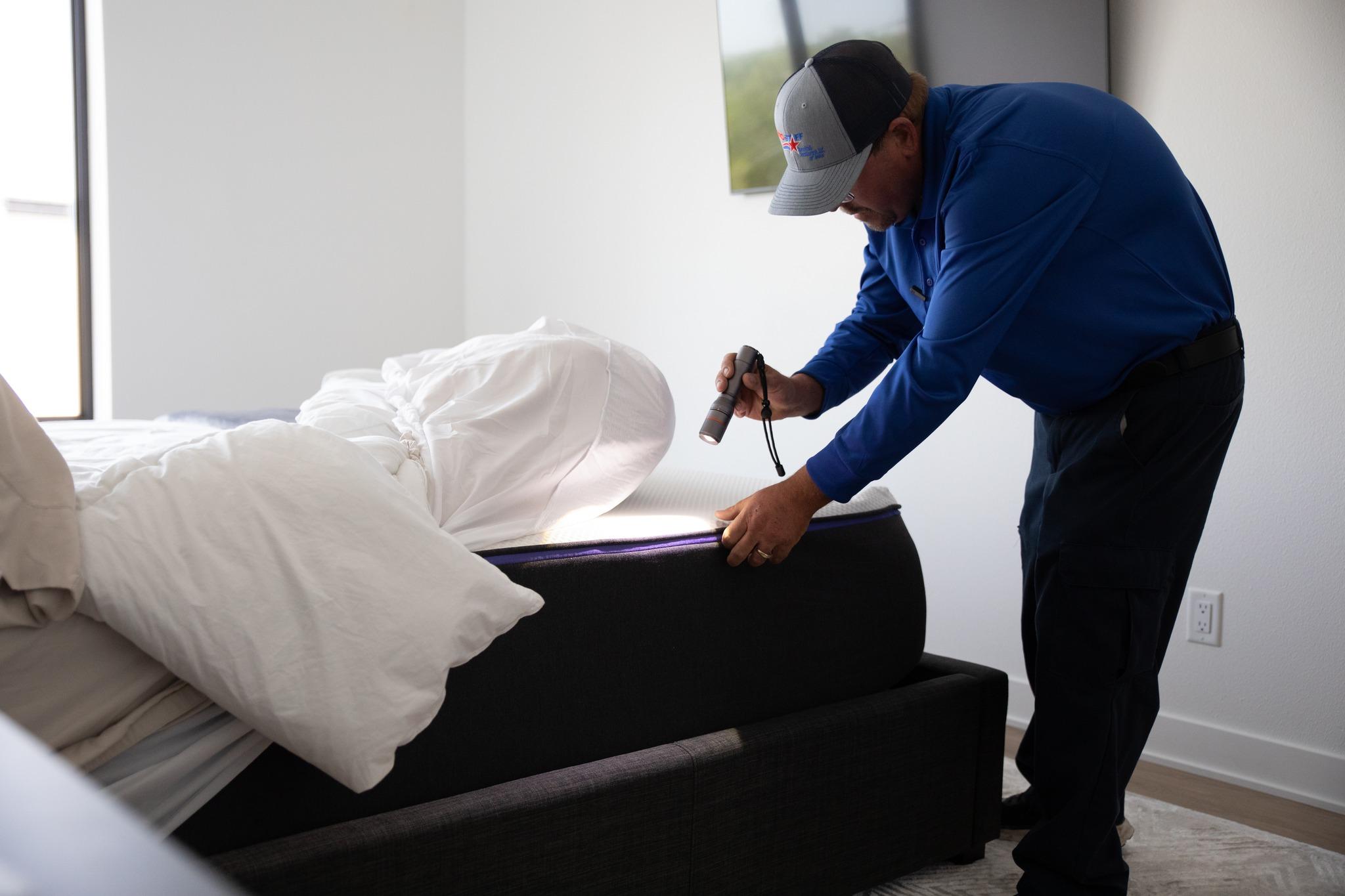
It’s a common misconception that a single pest control treatment is all you’ll ever need. In reality, pest activity changes as the seasons and environmental conditions do. Ongoing prevention and regular inspections help address potential issues before they turn into full-blown infestations. Partnering with a professional pest control team ensures your home stays protected all year long.
Pests are sneaky and persistent. For preventative pest control you can trust, reach out to Pro-Staff, a professional pest control company in Des Moines, by calling (515) 279-7378 or requesting a quote online. We’re ready to be on your pest control home team!