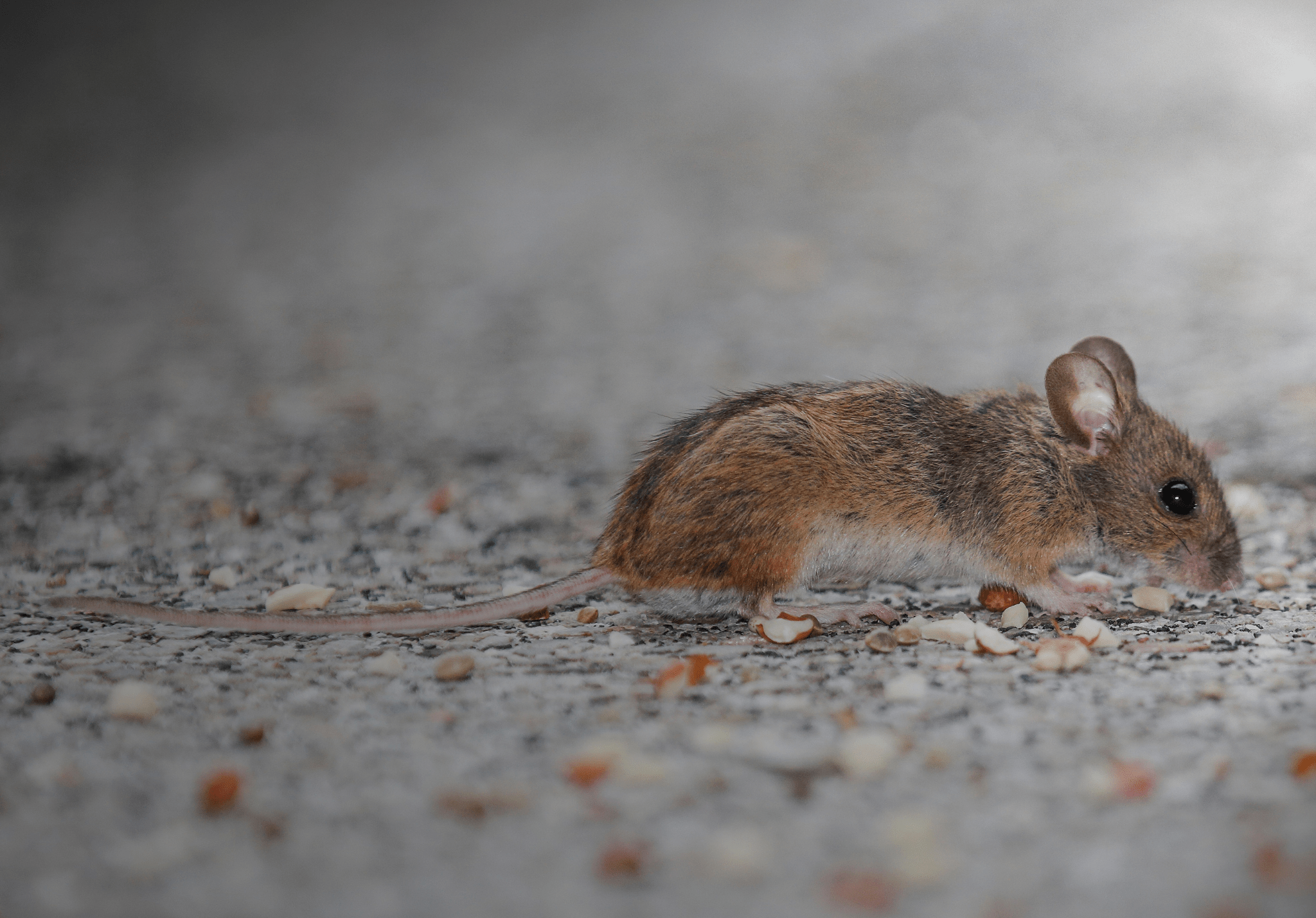
It’s commonly believed that once winter is over, so are mouse problems. Unfortunately, this isn’t always the case. When the temperatures rise, mice can become more noticeable to homeowners as they emerge from their winter nests. Understanding why mice remain active in spring is the first step toward protecting your home. Read on to learn what drives mouse activity during the warmer months and what it means for your home.
Peak Breeding Season
While it’s true that mice breed throughout the year and don’t have a single breeding season, spring and summer present the most favorable conditions for mice to reproduce. With rising temperatures come abundant food sources, and this helps drive population growth.
One female mouse can have between five and ten litters per year. As the mouse population increases, you’re more likely to spot activity. Their breeding habits can quickly turn a small problem into a huge infestation if left unchecked.
Abundant Food Sources
Spring weather brings about a surge of food sources for mice, and this causes a shift in their behavior in many ways. After months of hunkering down in the winter, the warmer weather and increased food sources cause mice to become far more active. They become more bold and adventurous, scurrying further distances and foraging more frequently. This often makes their presence much more noticeable.
If mice have already established a winter nest in your home, spring is when you’ll probably see them more on the move, as they scurry about finding food and hauling it back to these nests. What felt like a quiet, almost hidden problem during the winter quickly becomes a more active, obvious one during the warmer months.
New Nesting Sites
Speaking of nesting sites, as their populations rise, mice expand into new territories and establish new nests to keep up with their rapid reproduction rates. In your home, this can mean creating new nests in other undisturbed areas. It can also mean that you may start noticing more signs of their presence, like scratching sounds, gnaw marks, droppings and nesting material.
Fluctuating Weather
While the spring season brings with it warmer weather, it also brings some unpredictable conditions. Random cold snaps or long stretches of rain can drive mice indoors. The warmth, shelter and food sources people’s homes provide often mean mice are inclined to stay, thus starting an infestation. With their breeding behavior in spring, this means the infestation can grow out of hand rather quickly.
Being Disturbed
Spring weather often means many homeowners are spring cleaning, and this can stir up mice that have been quietly settled in undisturbed corners of the home all winter. Clearing out and decluttering storage areas can disturb nests and send mice scrambling into other parts of your home. In some cases, what looks like a sudden spike in activity is really just mice being pushed out of hiding. The good news is that spring cleaning often exposes their nests and creates the perfect opportunity to identify an existing infestation. From here, you can take steps to get rid of the problem before it grows.
Mouse activity in spring is more common than many homeowners think. Understanding the reasons behind this behavior change helps you stay prepared. Pro-Staff is a trusted pest control team that provides professional mice control services in Omaha. Though we’ve only just recently expanded into Omaha within the past two years, we’ve been protecting people’s homes from rodents and other pests for over 30 years. Our team knows exactly how seasonal patterns in the Midwest affect pest behavior, and we know how to respond.
If you see signs of mice in your home this spring, don’t hesitate to reach out to the pros at Pro-Staff for help! Call us at (402) 819-7378 or contact us online for a free inspection.