After a long, cold winter, summer sure is a welcome sight for people living in the Midwest. It means cookouts, lake days and plenty of sunshine. Unfortunately, it also means that summer pests are in full swing. From the backyard to the basement, pests become more active as the temperatures rise. Here are some of the most common summer pests to watch out for in the Midwest:
Mosquitoes
Mosquitoes are the uninvited guests of every outdoor summer get-together. Beyond the annoying buzzing and small bites they leave behind, they carry serious diseases like West Nile virus and Zika. They lay their eggs in standing water, so make sure the summer rain isn’t creating the perfect breeding grounds in your gutters, flower pots or birdbaths. When spending time outside, putting on a little bug spray and lighting a citronella candle never hurts to keep these blood-sucking insects away!
Ticks
Ticks are somewhat similar to mosquitoes in their biting behavior. These tiny parasites lurk in tall grass, overgrown vegetation and yard debris. In the Midwest, the deer tick and American dog tick are the most common culprits. Like mosquitoes, ticks can transmit illnesses, including Lyme disease. If you decide to take a summer hike or spend some time in the garden, wear long sleeves and pants, spray on some tick repellent and always do a thorough body check when you come back inside. Check your pets too, as they’re easy targets for ticks.
Bees and Wasps
Bees and wasps are most active during the spring and summer months for various reasons. For social species, it’s because their colonies are expanding and they’re rapidly breeding. For solitary species, the higher temperatures boost their metabolism, making their hunt for food more aggressive.
Bees are valuable pollinators and are generally non-aggressive when left alone. Wasps are also pollinators, although it’s mostly non-intentional, as they transfer pollen between flowers while feeding on nectar. Unlike bees, though, wasps are known to be more aggressive and are more likely to sting multiple times if they feel threatened. Check your eaves, porches and soffits regularly for bee and wasp nests. If you find one, avoid disturbing it and call a pest control team for professional removal.
Ants
Ants are a summer pest that many Midwestern homeowners just can’t seem to avoid, with pavement ants, odorous house ants and carpenter ants being the most common offenders. Pavement ants and odorous house ants both invade homes in search of sticky substances and other food remnants. While they’re not known for being especially dangerous to humans, they can contaminate food. Carpenter ants cause structural damage by tunneling through wooden structures, weakening them over time. The most effective way to prevent an ant infestation is to seal entry points, control moisture levels and avoid giving them food sources.
House Spiders
Most house spiders are harmless and actually help control insect populations, but that doesn’t make having them around your home any less disturbing. The reason you may experience frequent sightings of house spiders during the summer is because their food source—insects—is abundant. They also invade in search of shelter. The best way to keep spiders away is to keep your home free of clutter for them to hide and to reduce moisture levels.
Flies
Flies have a similar reputation to mosquitoes, with the way that they annoyingly buzz around and never seem to go away, no matter how much you swat at them. They’re usually spotted around garbage, animal waste and decaying plants. Along with being annoying, they also present health risks because they can contaminate food and spread bacteria. Keep flies at bay this summer by securing trash, cleaning up after pets and properly storing food.
Japanese Beetles
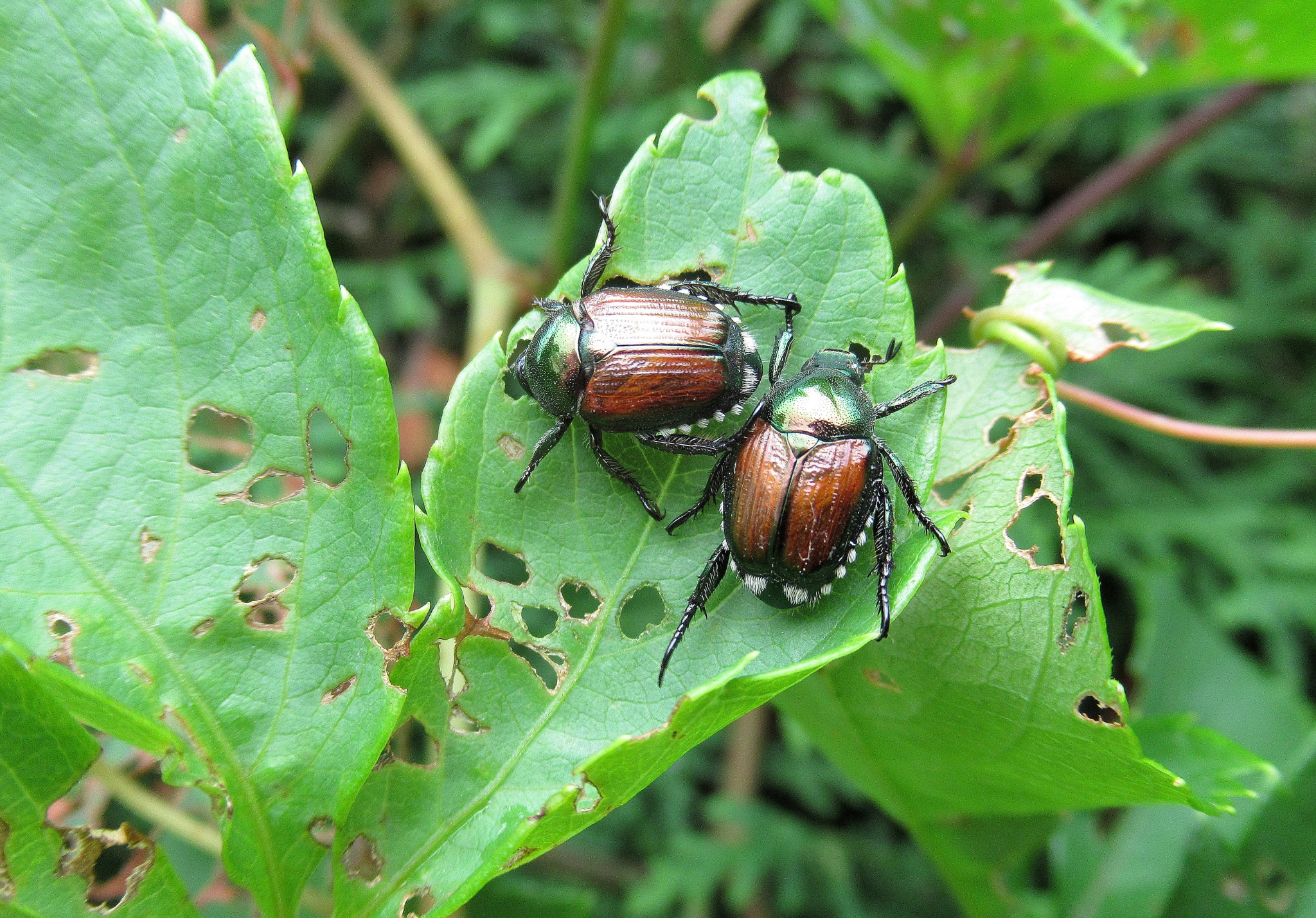
Japanese beetles, while not as well-known as some of the other pests on this list, are a summer staple in the Midwest and a nightmare for gardeners. These insects are greenish-copper in color with a metallic sheen. Adults feed on leaves, flowers and fruit, while larvae live underground and tunnel through root systems, making them quite the threat to plants.
Japanese beetles are most active on warm, sunny days, usually in the early to mid-afternoon. You can use DIY garden pest control methods, like covering your plants with mesh, or pick these beetles off your plants early in the morning when they’re sluggish. The best way to prevent and get rid of Japanese beetles is to call a professional lawn pest control team.
If you live in the Midwest and you run into any of these summer pests, contact the Waukee pest control pros at Pro-Staff for help. With over 30 years in business and five CityView Best Pest Control Company in Des Moines Awards, we’re here to keep your home pest-free all year long!