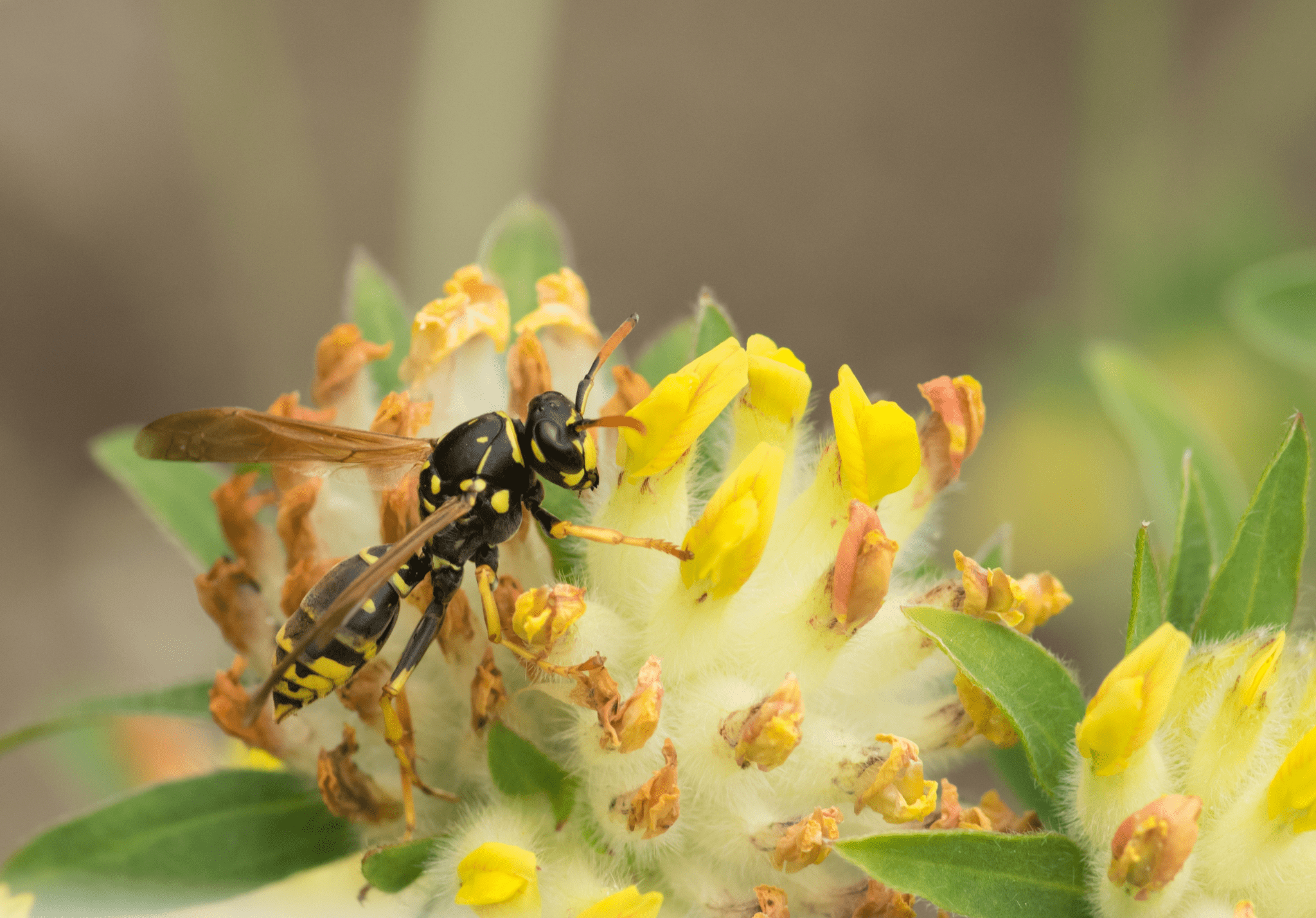
Rising temperatures and blooming flowers mean wasps are never far behind. As new colonies emerge, wasps venture off to establish themselves in new nesting sites. Contrary to popular belief, wasps aren’t a single insect species; there are many types of wasps you need to be aware of. Knowing which ones are buzzing about and building nests in your yard makes a huge difference in how you respond.
For example, not all wasp species behave the same way. Some are aggressive defenders of their colonies, while others are surprisingly docile. Being able to identify which ones you’re dealing with helps you keep your home and family safe. Here are five of the most common wasp species to be on the lookout for this spring:
Paper Wasps
When you picture a wasp, you probably think of a paper wasp. These wasps are typically among the first species to appear, as queens emerge from their dormant state and begin building new nests at the first sign of spring. Paper wasps have a distinct look with a narrow waist, most easily identified by their dangling legs while in flight. They usually measure between a half-inch and an inch long and are reddish-brown in color, sometimes with red markings.
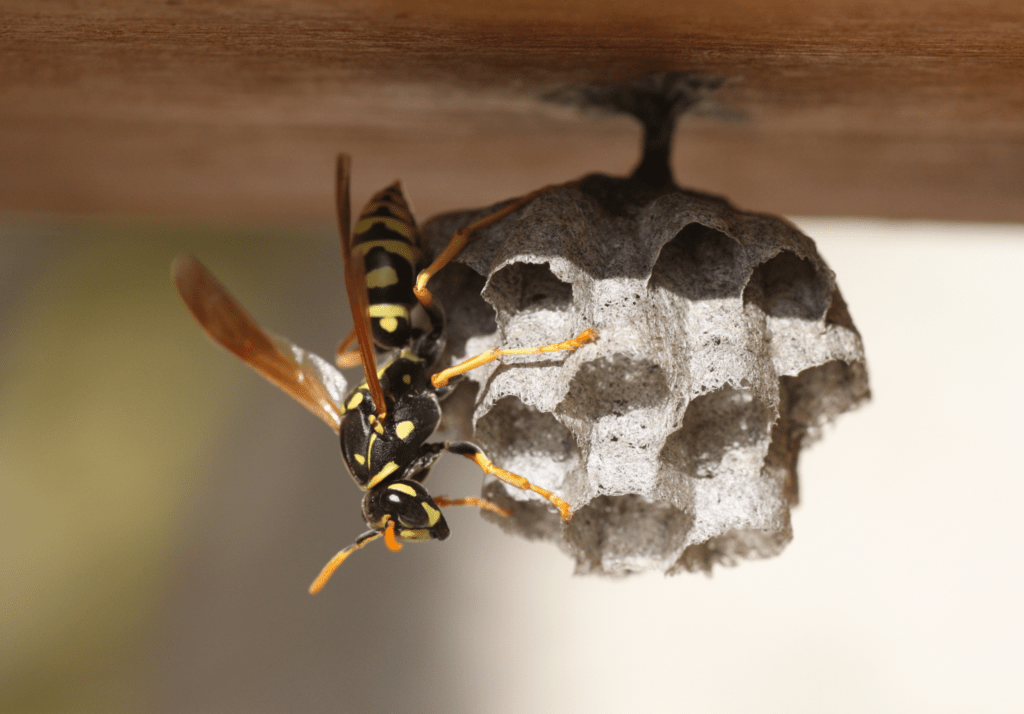
Their nests are also easy to identify because they’re open-celled with hexagon-comb-shaped cells. They’re greyish-brown and usually found hanging from roof eaves, porch ceilings and door frames. Paper wasps aren’t known to be super aggressive, but they will sting if their nests are disturbed.
Yellowjackets
Along with paper wasps, yellowjackets are one of the most commonly encountered wasp species in spring. The main difference between them behavior-wise is that they’re extremely aggressive. They’ve been known to sting repeatedly if they feel threatened, which is why DIY nest removal is never a good idea. It’s easy to accidentally disturb a yellowjacket nest because they’re usually in hidden areas, like underground, in hollow logs or inside wall voids.
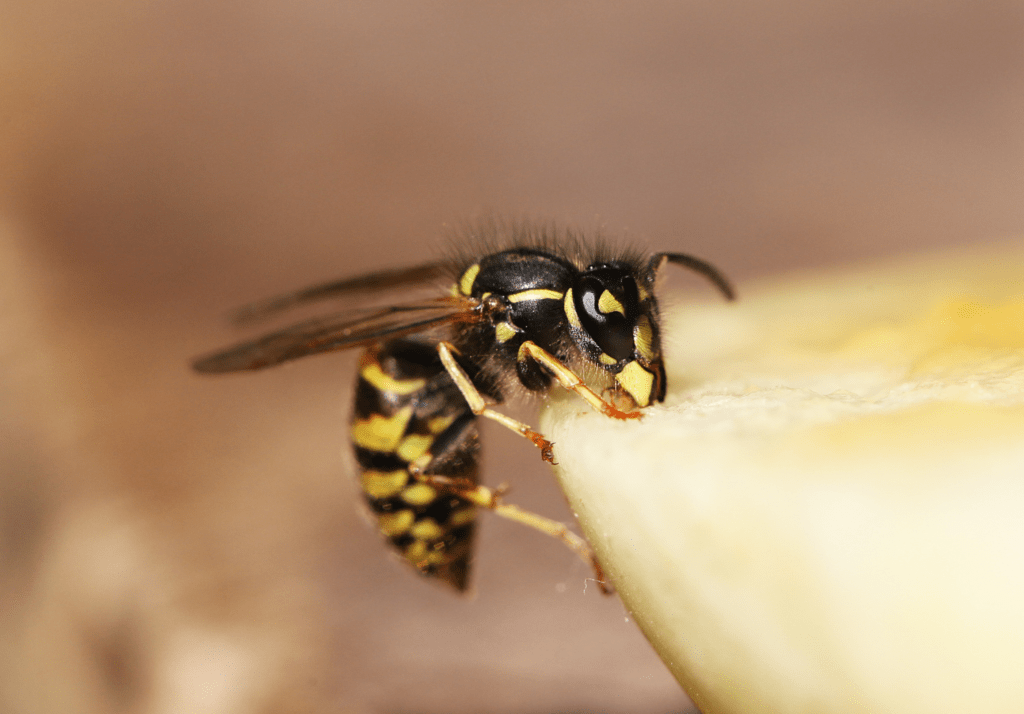
Like paper wasps, yellowjackets are pretty easy to identify. They’re usually about a half-inch long and have bright, bold yellow and black markings. The main way to tell the difference between yellowjackets and paper wasps is by looking at their antennae. Yellowjackets have solid black antennae, while paper wasps have yellowish-orange ones. Yellowjackets also have a distinct flying pattern, which is a little erratic, as they fly in a fast, side-to-side motion before they land.
Hornets
Among the largest wasp species, hornets tend to catch people’s attention simply due to their size. They typically measure between one and one and a half inches long. Their colors are muted shades of orange, brown and yellow with a mostly black thorax and striped abdomen. Hornets generally leave people alone and only become aggressive to defend their nests if they feel threatened.
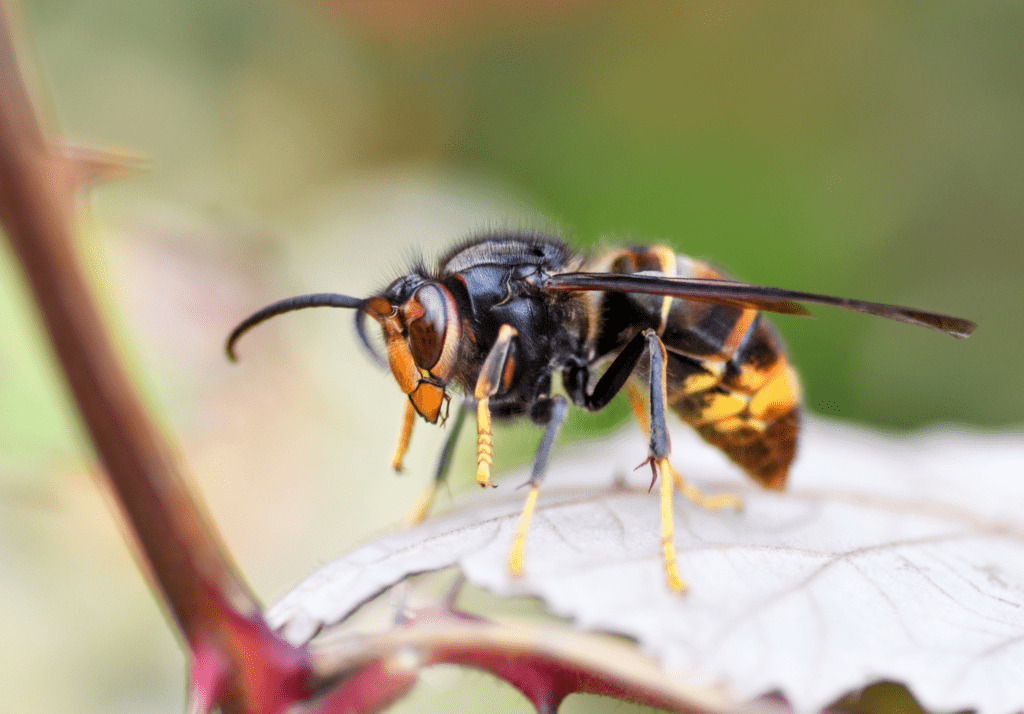
Hornet nests are rather large and can get up to the size of a football or a basketball. They have a smooth, enclosed exterior with a single entrance hole, usually toward the bottom. These nests are grey or muted brown in color and are made from chewed wood material and saliva, which creates a paper-mache-like substance.
Mud Daubers
Unlike the wasps previously listed, mud daubers are solitary wasps, meaning they nest alone rather than in large colonies. They’re also much more docile and aren’t known to sting all that often. Of course, they will defend their nests if needed, but they otherwise tend to be non-aggressive.
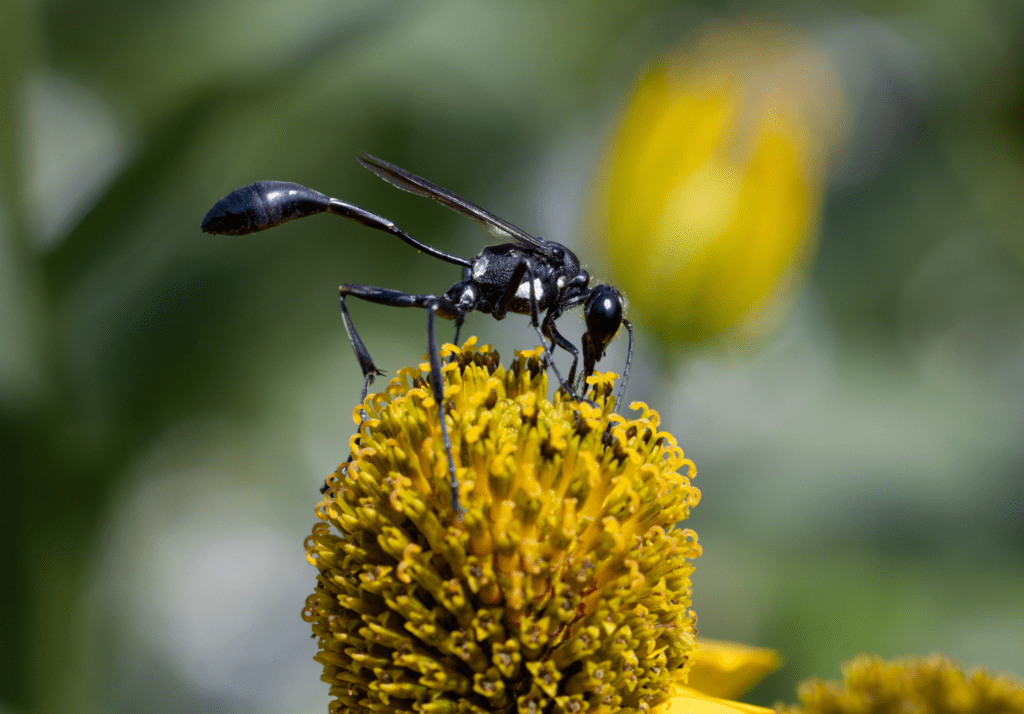
Mud daubers are probably the easiest wasp to identify thanks to their extremely thin waists and distinct color markings. They’re usually all shiny black or metallic blue, but they can also be black and yellow. As their name suggests, mud daubers use mud to make their nests. These nests have tube-like shapes and are commonly found under eaves, on porch ceilings or even along exterior walls.
Cicada Killers
Late spring is when you want to start keeping an eye out for cicada killers, as these wasps tend to emerge at the first signs of summer. Like hornets, this wasp species is known for its size, measuring up to two inches long. Unlike hornets, cicada killers are solitary insects (like mud daubers), and they prefer to be alone rather than stay in huge colonies. These wasps have black and yellow striped abdomens, a rusty-reddish color on their heads and amber-colored wings.
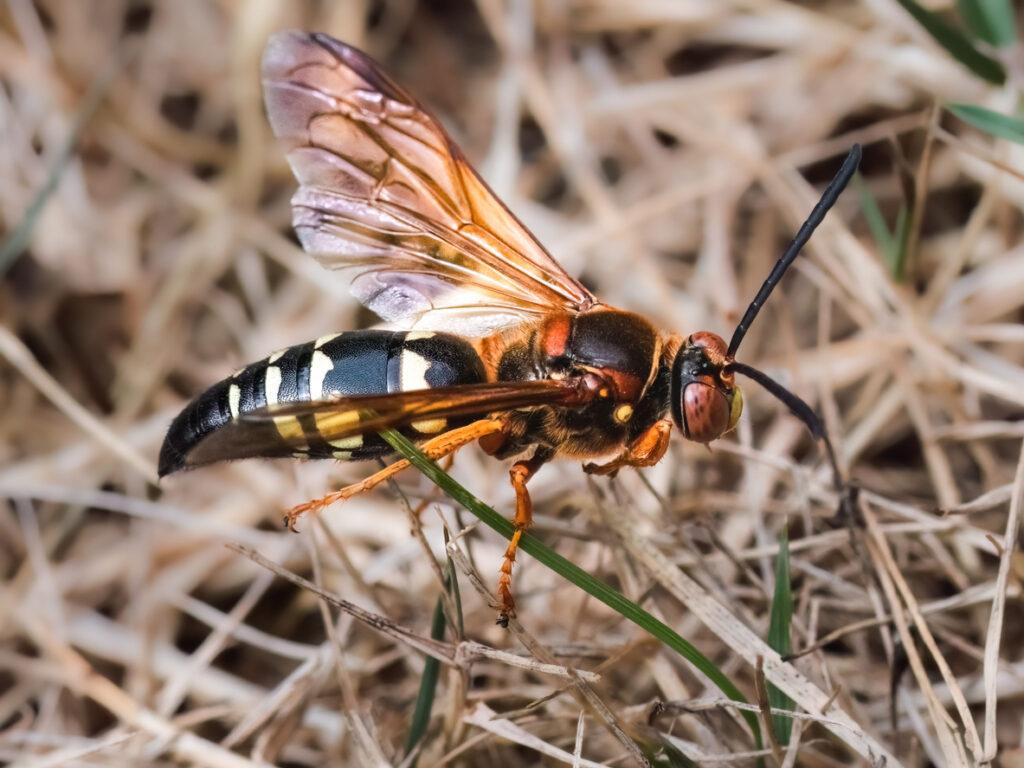
They get their name from how they feed their larvae. They hunt and bring cicadas back to their nests, where their young feed on them. Adult cicada killers feed primarily on nectar and tree sap. While they can be intimidating due to their size, they’re relatively harmless to humans. Male cicada killers don’t have stingers, and they fly toward you in an aggressive motion to defend their nests. Females have stingers, but only use them if they feel threatened. Their stings aren’t painful and are often compared to a pinprick.
If you notice any of these wasp species near your home as the weather warms up, call the Omaha pest control experts at Pro-Staff at (402) 819-7378 or contact us online for professional wasp removal.